
German state-funded television network and public service international broadcaster Deutsche Welle (DW) reported the other day that Ukraine has declared a state of emergency as Russia is relentlessly targeting its infrastructure in the coldest winter since Russia’s full invasion in February of 2022.
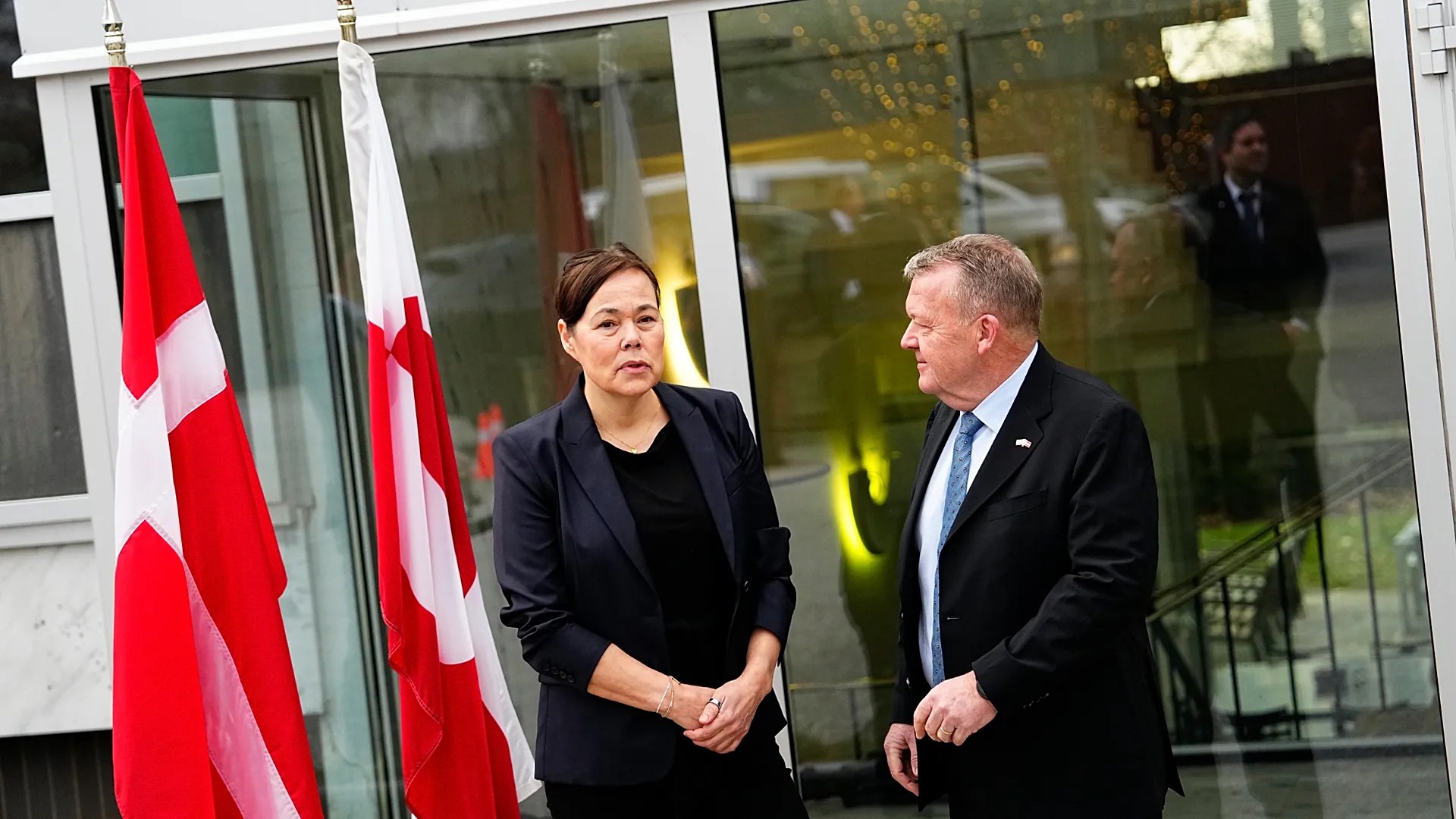
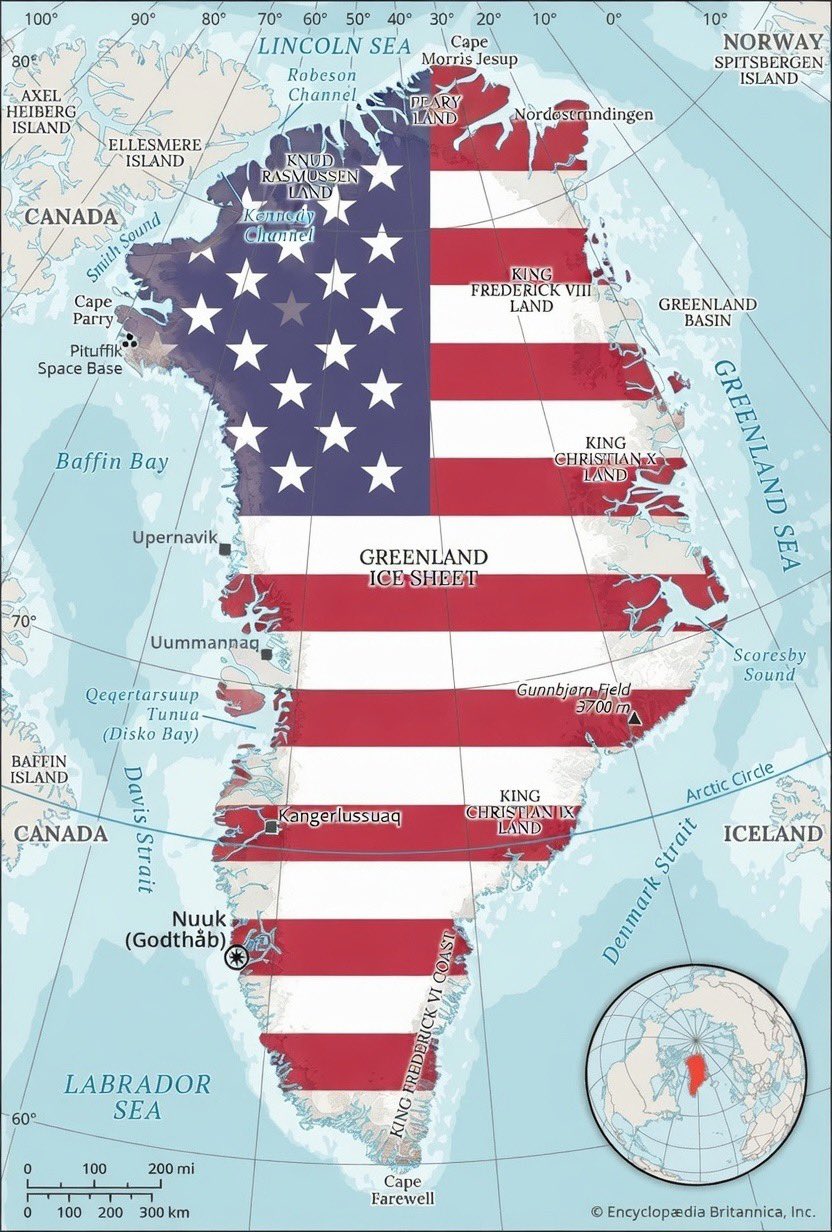
Trump’s irrational response after some of NATO’s member states’ sending small contingents of troops to Greenland in order to actually fact check the situation, in particular Trump’s claims of Russian and Chinese warships offshore the world’s largest island in the Arctic. And Greenland’s and Denmark’s refusal to submit to his outrageous demands of just handing over the totally glaciated island. More tariffs.
Is Europe currently caught in a pincer movement? Was all of this planned long in advance by Trump and Putin, perhaps in Alaska (annexing Greenland, bombing Ukraine)?
Continue reading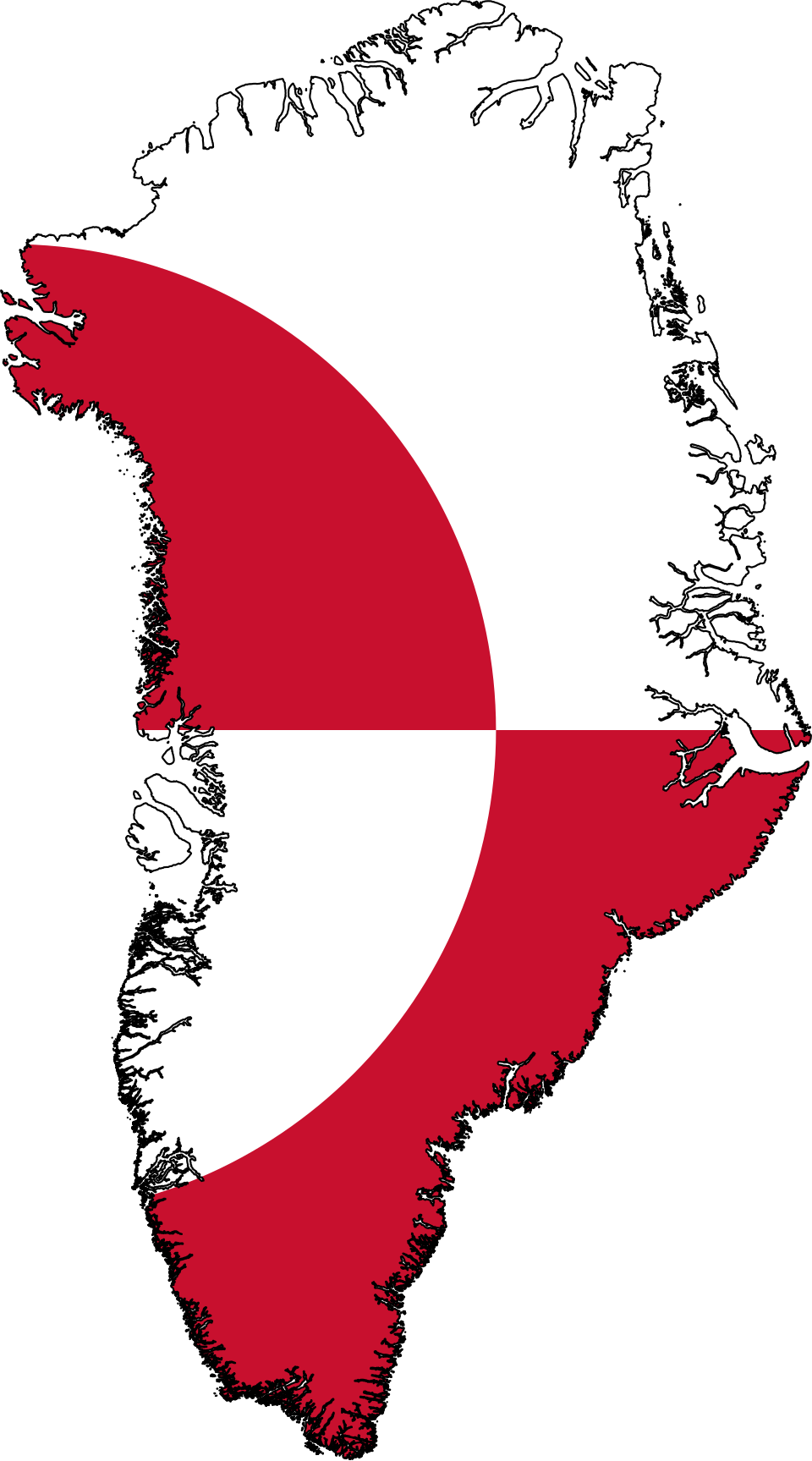

 Freelance
You must be logged in to post a comment.