
The negotiations in Geneva in the end of February about Iran’s nuclear program between special envoys real estate investor, Steve Witkoff, and Donald Trump’s son-in-law, Jared Kushner, on the U.S. American side and Iran’s Foreign Minister, Abbas Araghchi, on the other had eventually failed and war on Iran was the result.
It is generally held that failure was mainly due to utter incompetence of the American individuals at the table. The indirect talks were mediated by Oman’s Foreign Minister, Badr bin Hamad Al Busaidi, who reported later remarkable progress in the negotiations, though. They concluded the talks on February 26 and planned to meet again on March 2.
It never worked out. On February 28, the Iranian Supreme Leader and dozens of high-ranking lieutenants and family members were dead after a joint “decapitation strike” by U.S. and Israel as well as 120 school children in the southern city of Minab.
Oman is a peaceful country, sharing with Iran the Strait of Hormuz. When Iran decided to reorganize traffic through the Strait and established its new Persian Gulf Strait Authority (which was sanctioned by U.S. Secretary of the Treasury, Scott Bessent, yesterday, calling his action “Economic Fury”), it sought a joint approach with Oman.
The PGSA has issued the following in X
The Persian Gulf Strait Authority (PGSA) is the legal entity and representative authority of the Islamic Republic of Iran for managing the passage and transit through the Strait of Hormuz. Navigation within the introduced boundaries of the Strait of Hormuz, which were previously determined by the Armed Forces and authorities of the Islamic Republic of Iran, is contingent upon full coordination with these entities, and passage without permission will be considered illegal.
The Islamic Republic of Iran has defined the boundaries of the Strait of Hormuz management supervision area as follows: “The line connecting Kuh Mobarak in Iran and the south of Fujairah in the UAE in the east of the strait to the line connecting the end of Qeshm Island in Iran and Umm al-Qaiwain in the UAE in the west of the strait.” Frequencies in this range for passing through the Strait of Hormuz require coordination with the Persian Gulf Waterway Management and a permit from this entity.
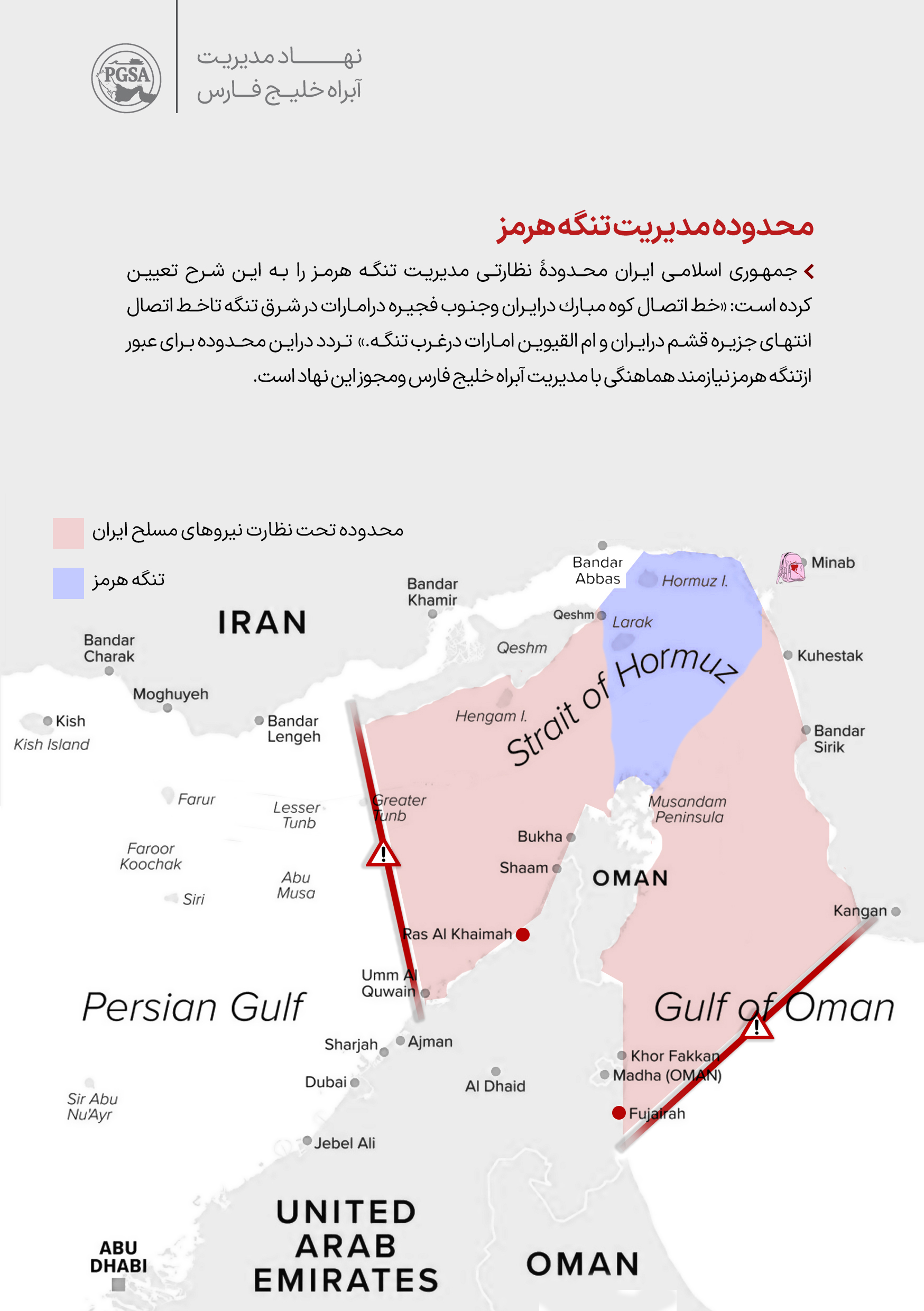
Until yesterday, nobody in Donald Trump’s administration has apparently referred to that astounding but completely understandable act by Iranian authorities.
When Donald Trump, the other day in a lengthy post on Truth Social, urged (or rather coerced) leaders of the Gulf monarchies and many other Muslim countries to join the Abraham accords, i.e. accepting Israel’s pursuit of great-power status and its ambitions for a Greater Israel (which was met with “deafening silence” in a telephone conference), Oman was conspicuously missing in his list.
In a cabinet meeting yesterday, Trump became more explicit. Oman will be blown up if it doesn’t behave as regards the Strait.
“Oman will behave just like everybody else or we’ll have to blow ‘em up.”
CNN has reported that Trump has now threatened to attack, or even attacked, at least 15 countries in his two terms of presidency. Nearly all of these attacks/threats occurred in the first 16 months of his second term. Strikes on alleged drug-trafficking boats in the Caribbean Sea and Pacific Ocean, “which have targeted nearly 60 vessels and killed more than 190 people”, were not even counted.
Here are the countries attacked so far: Iran, Iraq, Nigeria, Somalia, Syria, Venezuela and Yemen.
And here those of having been threatened: Canada, Colombia, Cuba, Greenland, Mexico, Panama, and now Oman.
If you count only 14 countries, well, CNN has probably added Denmark as well as Greenland belongs to Denmark.
28 May 2026 @ 10:23 UTC+2.
Last modified May 26, 2026.
You must be logged in to post a comment.